About World Digital Governance
WDG Overview
The World Digital Governance (WDG) initiative is a global movement dedicated to creating ethical, inclusive, and scalable frameworks for digital governance.
Focused on empowering nations and individuals, WDG fosters collaboration among governments, private sector leaders, and international organizations to address critical challenges in data management, artificial intelligence, and virtual assets.
By providing tools, certifications, and support, WDG ensures that digital transformation aligns with principles of sovereignty, equity, and transparency.
WDG Key Objectives
Enable Global Standards
Unified framework for Data, AI and Virtual Assets with Global Interoperability that respects National Sovereignty.
Empower Nations and Individuals
Tools, Expertise, and Partnerships to Navigate the Digital Age with Confidence and Control.
Foster Ethical AI and Data Usage
Systems and Policies to ensure Technology serves Humanity Ethically and Transparently.
Accelerate Digital Transformation
Economic Growth and Sustainable Development through Digital Initiatives and Capacity Building.
Protect Digital Sovereignty
Safeguard the Rights of Individuals and Nations by Ensuring Data Ownership and Control.
WDG Principles
Guiding Principles
Digital Sovereignty for All
- Empower individuals with full control over their data and digital identity.
- Ensure nations maintain sovereignty over their digital resources and frameworks.
Equity and Inclusivity
- Promote equal access to digital tools, opportunities, and resources.
- Bridge the digital divide for all nations, regardless of economic or technological status.
Transparency and Accountability
- Foster trust through explainable, auditable, and accountable AI systems.
- Enable transparent decision-making processes for governing bodies and citizens.
Ethical & Responsible AI Development
- Commit to AI systems that respect human rights and operate within ethical boundaries.
- Ensure AI prevents harm, serves humanity, and upholds fairness.
Global Collaboration
- Foster international cooperation with shared standards, interoperability, and mutual progress.
- Promote digital governance as a bridge to global unity.
Future-Forward & Sustainable Innovation
- Encourage adaptive frameworks to embrace emerging technologies.
- Prioritize sustainability to ensure long-term digital relevance and impact.
Operating Principles
Guardrails on AI
- Define clear boundaries for permissible AI training and usage.
- Regulate AI decisions to ensure human oversight and control.
Shared Data Governance
- Enforce shared ownership of data with multi-party consent for usage.
- Ensure secure, ethical, and transparent management of global and national data.
Principle-Driven Arbitration
- Resolve disputes using an ethics-first approach, prioritizing foundational values.
- Maintain fairness through a unified WDG Arbitration Framework.
Accelerated Implementation
- Deploy digital governance solutions rapidly using advanced technologies and expert resources.
- Streamline processes to achieve measurable, short-term results.
Stakeholder Empowerment
- Equip national bodies (Governing, Utility, and Community) with tools to operate effectively.
- Enable citizens and partners to contribute meaningfully to WDG initiatives.
Sustainability and Scalability
- Build systems that are financially and operationally sustainable.
- Ensure scalability to serve larger populations and growing demands globally.
WDG Frameworks
The WDG Frameworks help ensure Global Consistency, Ethical Governance, and successful implementation of Digital Governance initiatives.
PROSE (Policy, Regulation, Ontology, Standards, Ethics) is the core framework supported by additional frameworks that help Nations achieve WDG's Objectives.
Key WDG Frameworks:
1. PROSE Framework
- Policy: Defines national and international guidelines for data governance, AI deployment, and virtual asset management.
- Regulation: Ensures legal compliance and alignment with global digital governance principles.
- Ontology: Structures data in a standardized, interoperable manner to ensure seamless data sharing and governance.
- Standards: Establishes technical and procedural standards for countries to follow.
- Ethics: Embeds principles of transparency, accountability, and fairness in governance systems.
2. EAT Model (Entity, Activity, Transaction Framework)
Defines key data sets, attributes and ownership principles for each data element based on its source or origin.
- Entity Data: Defines key data sets that need governance (people, organizations, property and more).
- Activity Data: Defines key data sets that capture the processes and actions and interactions by and between Entities.
- Transaction Data: Defines key data sets that ensure that commercial records of transactions between entities are traceable, secure, and auditable and link to the digital interactions leading to the transaction.
The aim of this framework is to ensure that Individual and National Digital Sovereignty is protected while still enabling Acceleration of AI through Training in an Ethical and Responsible manner.
3. Digital Sovereignty Framework
- Principle: Individual and national sovereignty over data and AI usage.
- Implementation: Ensures nations retain control over their digital infrastructure while adhering to global interoperability standards.
4. WDG Governance Guardrails
- Purpose: Provide predefined limits on what data can be used for, ensuring compliance with ethical and regulatory principles.
- Application: Guardrails on AI training datasets, AI model usage, and decision-making without human intervention.
5. Global Data Mirror Framework
- Purpose: Supports secure data synchronization between national and global systems.
- Components: Includes validation tools, security protocols, and real-time monitoring to ensure accuracy and integrity.
6. Arbitration and Dispute Resolution Framework
- Principle: Resolves disputes related to digital sovereignty, AI usage, or data governance based on principles rather than policies.
- Goal: Ensures quick and fair resolution of conflicts within and across nations.
7. Acceleration Framework
- Objective: Rapidly deploy governance tools, infrastructure, and projects to achieve WDG goals.
- Components: Identifies funding sources, technological partners, and implementation roadmaps for national and international initiatives.
8. Metrics and Accountability Framework
- Purpose: Tracks progress, compliance, and impact of WDG initiatives using quantitative and qualitative metrics.
- Components: Includes KPIs for governance, citizen engagement, economic growth, and digital literacy.
9. Security and Ethical AI Framework
- Focus: Protects sensitive data and ensures AI operates within ethical boundaries.
- Components: Guidelines for cybersecurity, data encryption, and ethical AI model deployment.
These frameworks work together to form a comprehensive structure for digital governance under WDG, addressing every facet from policymaking to execution, security, and accountability.
WDG Core Working Group

Graeme Thomson
WDG Founding Member
Digital ethics pioneer, ensuring moral grounding

Maurice McNaughton
Chair - Policy Working Group
Policy governance leader, guiding our direction

Chuk Cameron
Core Working Group Member
WDG liaison, connecting our work to the bigger picture

Paul Hector
Core Working Group Member
UNESCO AI policy expert, ensuring global alignment

Yacine Khelladi
Core Working Group Member
Tech-for-development advocate, driving social impact

Dr. Kim Mallalieu
Core Working Group Member
Telecom policy leader, adding regional depth

Gunjan Mansingh
Core Working Group Member
Data analytics guru, ensuring technical soundness

Diane Edwards
Core Working Group Member
Trade and education expert, bridging global perspectives

Chris Reckord
Core Working Group Member
Tech leader, shaping our AI policy vision
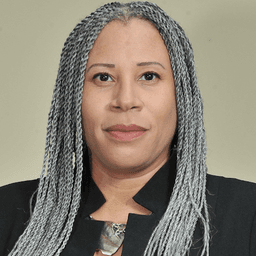
Sandrea Maynard
Core Working Group Member
Expert in regional governance, guiding our collaboration

Dr. Craig Ramlal
Core Working Group Member
United Nations advisor for AI, involved in insights and potential collaboration

Dr. Anthonio Anderson
Core Working Group Member
IT Governance and Operations, ensuring effective technology adoption
Extended Working Group Members

Michael Speed
CTO Broadridge
Platform Engineering Leader

Nick Cassai
VP Broadridge
Platform Engineering Leader

Stefan Pryor
Former Secretary of Housing
Government Affairs & Economic Policy Advisor

Mark Field
Non Executive Chairman of CIB
Global Policy & Financial Governance Advisor

Andrew Cainey
Senior Advisor, Global Advantage
Senior Advisor – Public Sector Policy & Transformation

Lawrence McEwen
Executive Director, EST Applied Intelligence
Cybersecurity & Digital Identity

JDr. Jaidev "Jay" Singh
Career Senior Foreign Service Officer
Global Trade & Digital Economy